Qutekcak Native Tribe
“Changing with the tides, in harmony with our people, land and heritage.”
Who We Are
Strengthening Our People. Honoring Our Heritage. Building Forward.
At Qutekcak Native Tribe, our work reaches beyond programs — it reflects a living commitment to our people, our culture, and the future we are building together.
Every effort we lead is rooted in the belief that strong communities are created when culture is protected, families are supported, opportunities are expanded, and history is honored.
Across our work, we are actively strengthening community life through initiatives that preserve Alaska Native heritage, support wellness, respond to community needs, and create practical pathways for future generations.
Our work includes:
Cultural preservation and traditional knowledge
Youth leadership and community engagement
Elder support and family-centered services
Wellness, prevention, and healing initiatives
Advocacy and community response efforts
Food security and local resource development
Infrastructure and community improvement projects
Historical preservation and education
Strategic partnerships that expand opportunity
From cultural classes and youth programs to wellness initiatives, advocacy efforts, community development projects, and historical preservation, our work reflects both immediate service and long-term vision.
We continue to build in ways that honor who we are while preparing for what comes next — creating stronger systems, stronger connections, and stronger opportunities for future generations.
Everything we do is guided by responsibility: to our people, to our land, to our history, and to those who will come after us.
Rooted in tradition. Driven by purpose. Building a stronger future together.
Historical Overview
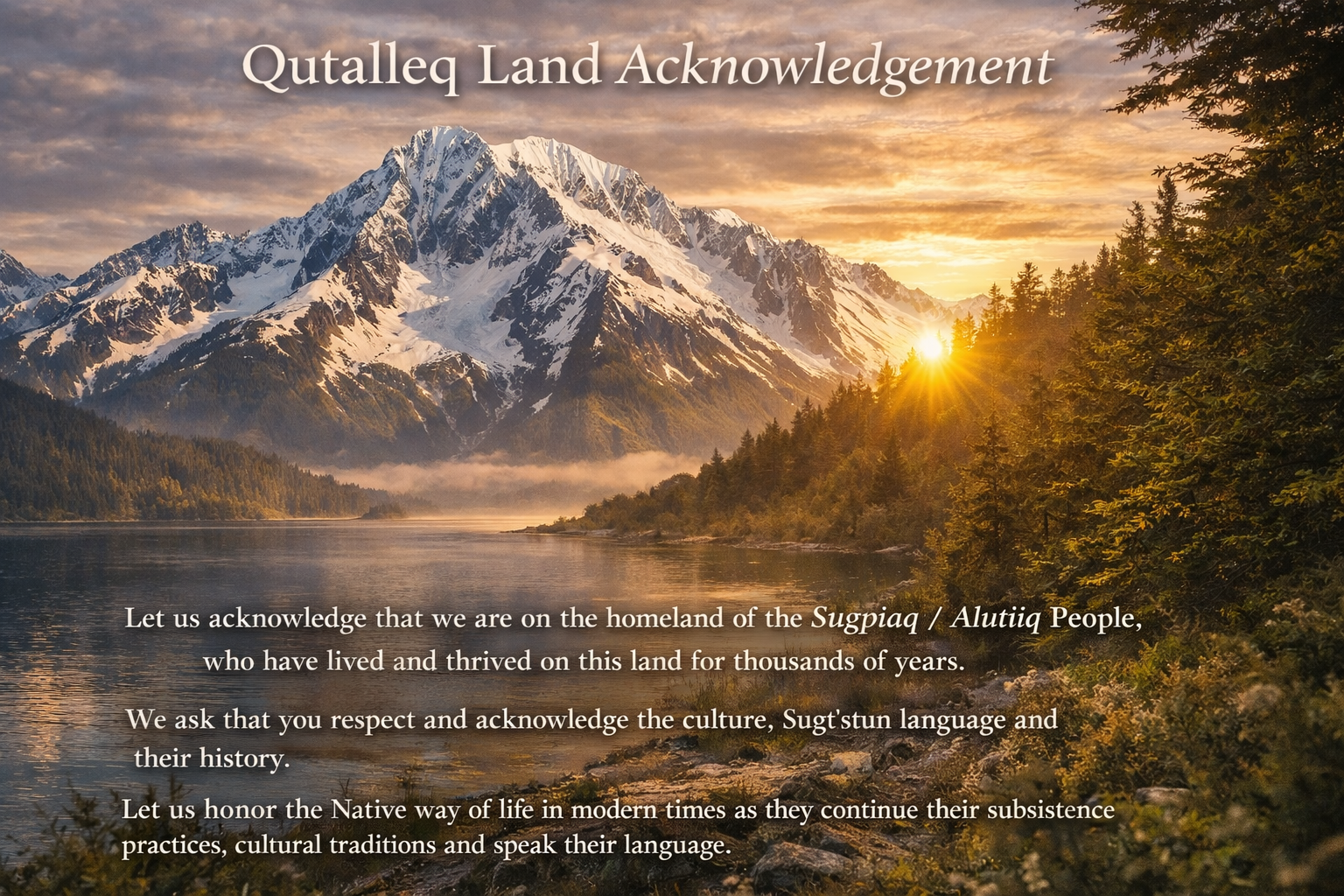
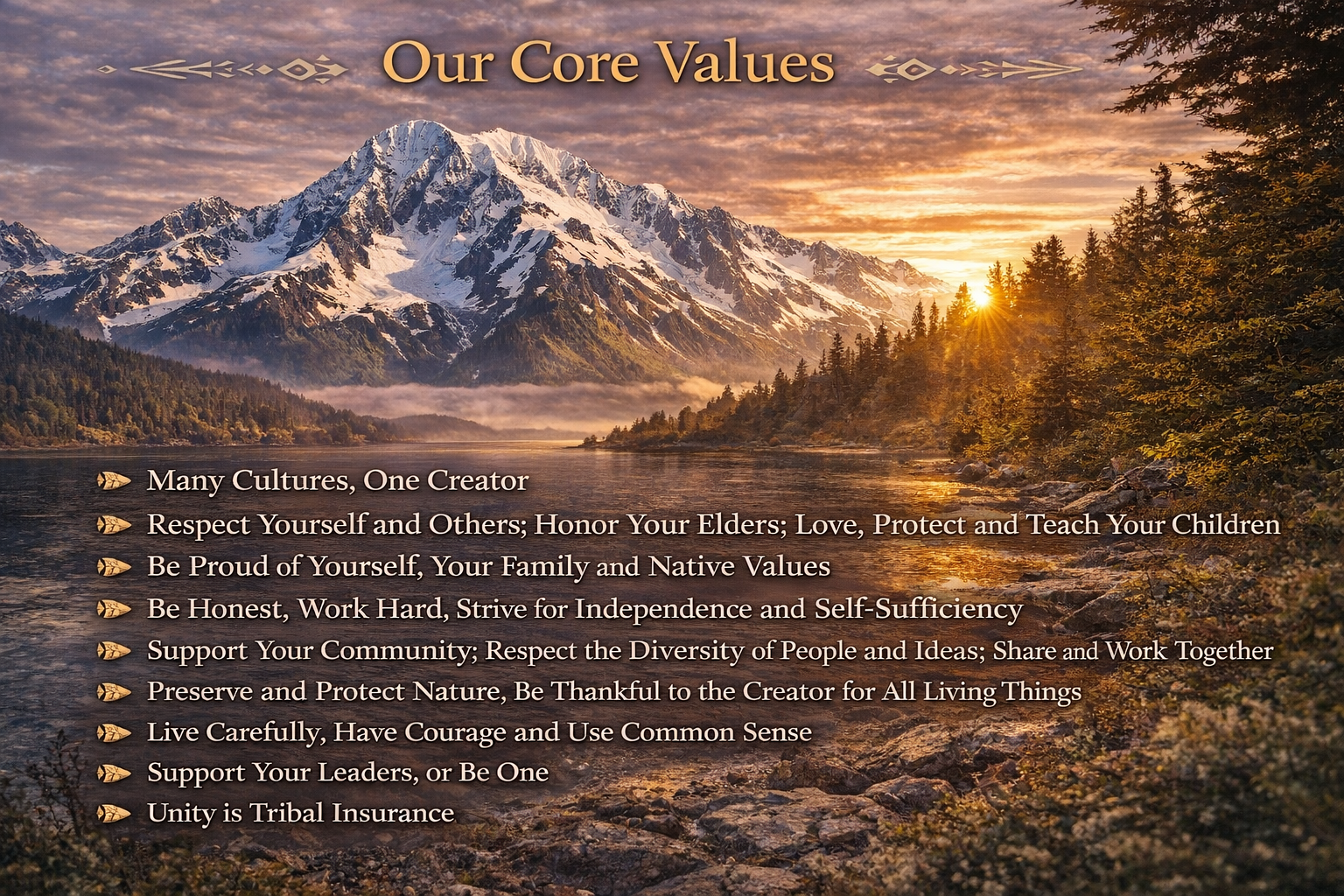
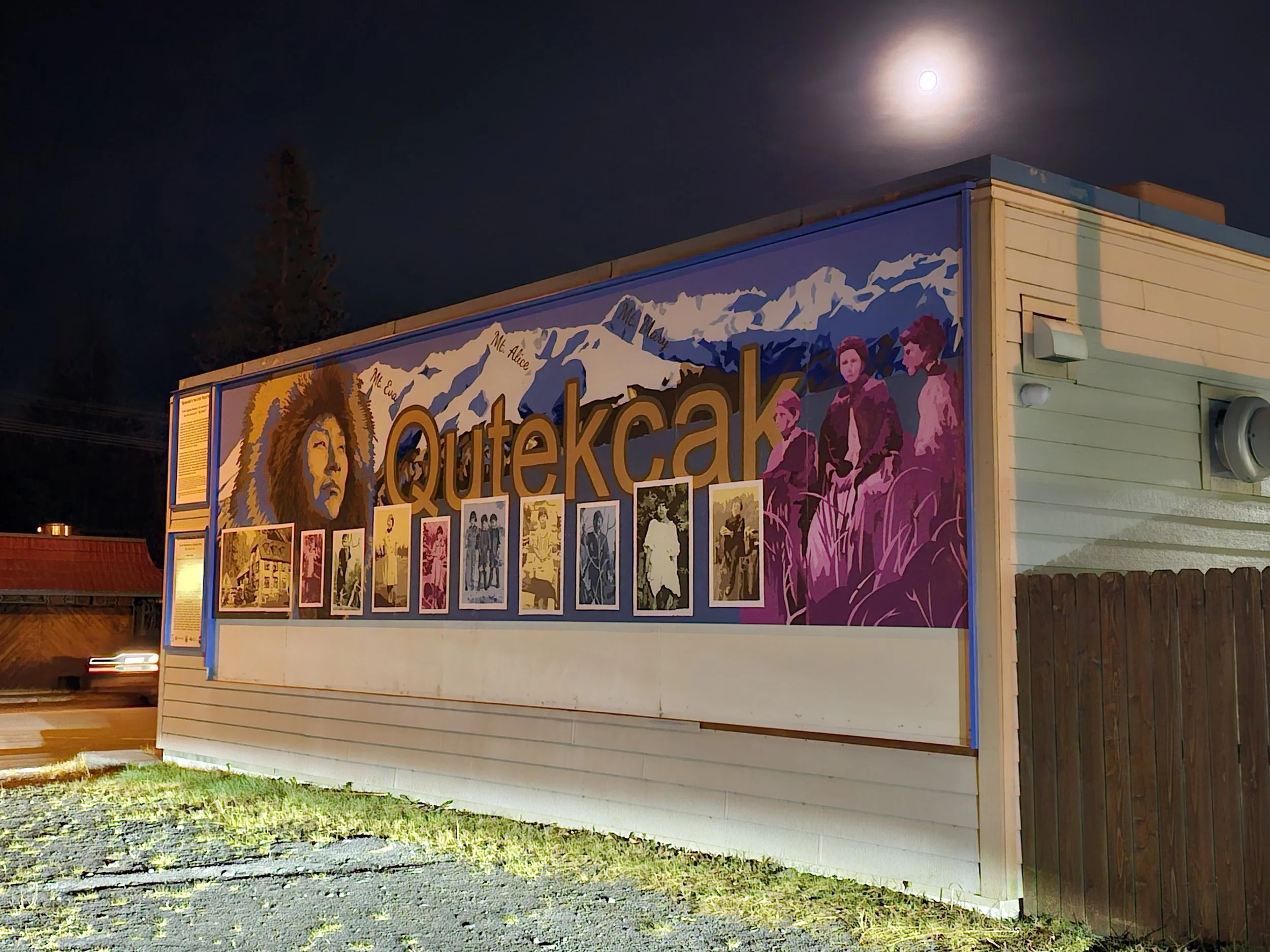
The aboriginal Qutekcak (pronounced K’toochek) Native Tribe was located in and around Seward, Alaska, on the sheltered northern tip of Resurrection Bay, which opens up to the Gulf of Alaska. Qutekcak translates from the Alutiiq language as “Big Beach” (Quta meaning beach). Qutekcak was a prehistoric Alaska Native mixing area, serving as a crossroads for the various Alutiiq and Sugpiaq groups residing in the rich marine geographical region of South Central Alaska, extending from Kodiak and the Alaska Peninsula in the west, across Lower Cook Inlet/Kachemak Bay and the Gulf of Alaska, to the islands of Prince William Sound and the northern Alaska Panhandle in the east.
Other Alaska Natives joined the aboriginal community through forced labor and voluntary work when the Russian traders established a ship building settlement at the present day Seward location in the early part of 19th century. U. S. commercial interests, beginning in 1867 with the U. S. purchase of Alaska from Russia, provided further population influx and mixing. Gold miners arrived in the 1890’s, setting up an encampment as the trail head for the overland route to Hope and Sunrise. Then in 1903 the Alaska Railroad officially established the town of Seward as its southern terminus by purchasing land from Mary Lowell, of mixed Russian and Alaska Native ancestry, and building over an old Native village site.
Your Community Resource

QNT…
is the tribal organization of the Native Community of Seward, Alaska. It is created to promote the unity, self-determination, and empowerment of our members and other Native people residing in the Eastern Kenai Peninsula. Qutekcak provides services that strengthen the people by increasing opportunities, and enhancing their mental, physical, and spiritual well being, in harmony with our land, and heritage.

Lady Justice Prints
Stand for Justice—Frame the Power.
To make a bright future possible for all.
Order Your Lady Justice Print—A Statement of Integrity.
Click this link to order Lady Justice!
Jesse Lee Cemetery Memorial: They Mattered Then, They Matter Now
The Jesse Lee Cemetery stands as a sacred place of remembrance for the children taken to the Jesse Lee Home in Seward — children whose lives became part of a painful chapter in our shared history, and some who never returned home. It is a place where memory must be held with care, where lives are honored with dignity, and where truth is not hidden but acknowledged. Here, we remember not only those who were lost, but the enduring strength of those whose stories remain connected to this land. In honoring this place, we commit ourselves to truth, remembrance, healing, and unity for generations to come.
They mattered then.
They matter now.
And they will continue to matter for generations to come.
A New Beginning at Jesse Lee Cemetery
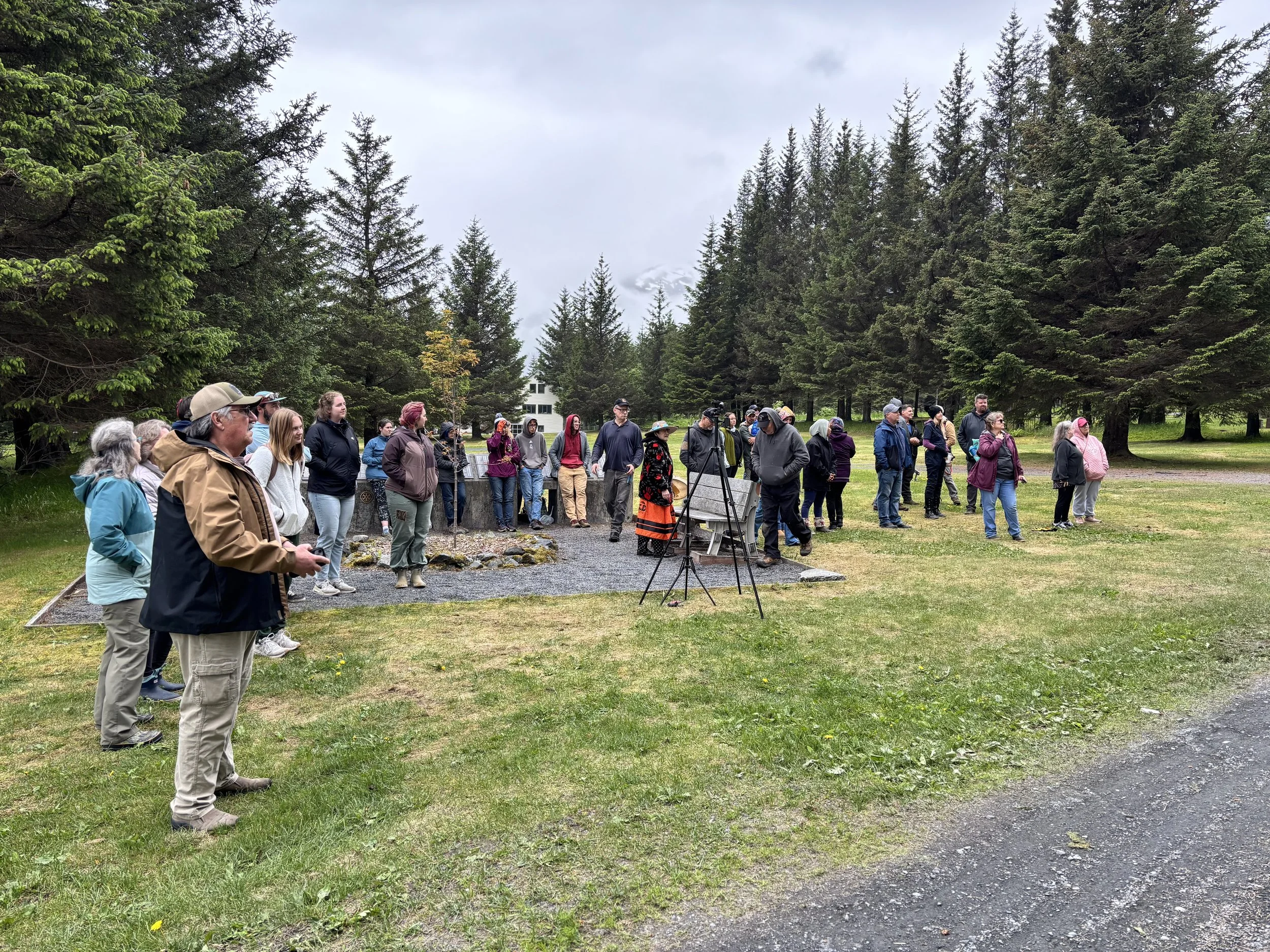
This month, we reached a historic milestone in the preservation of the Jesse Lee Cemetery.
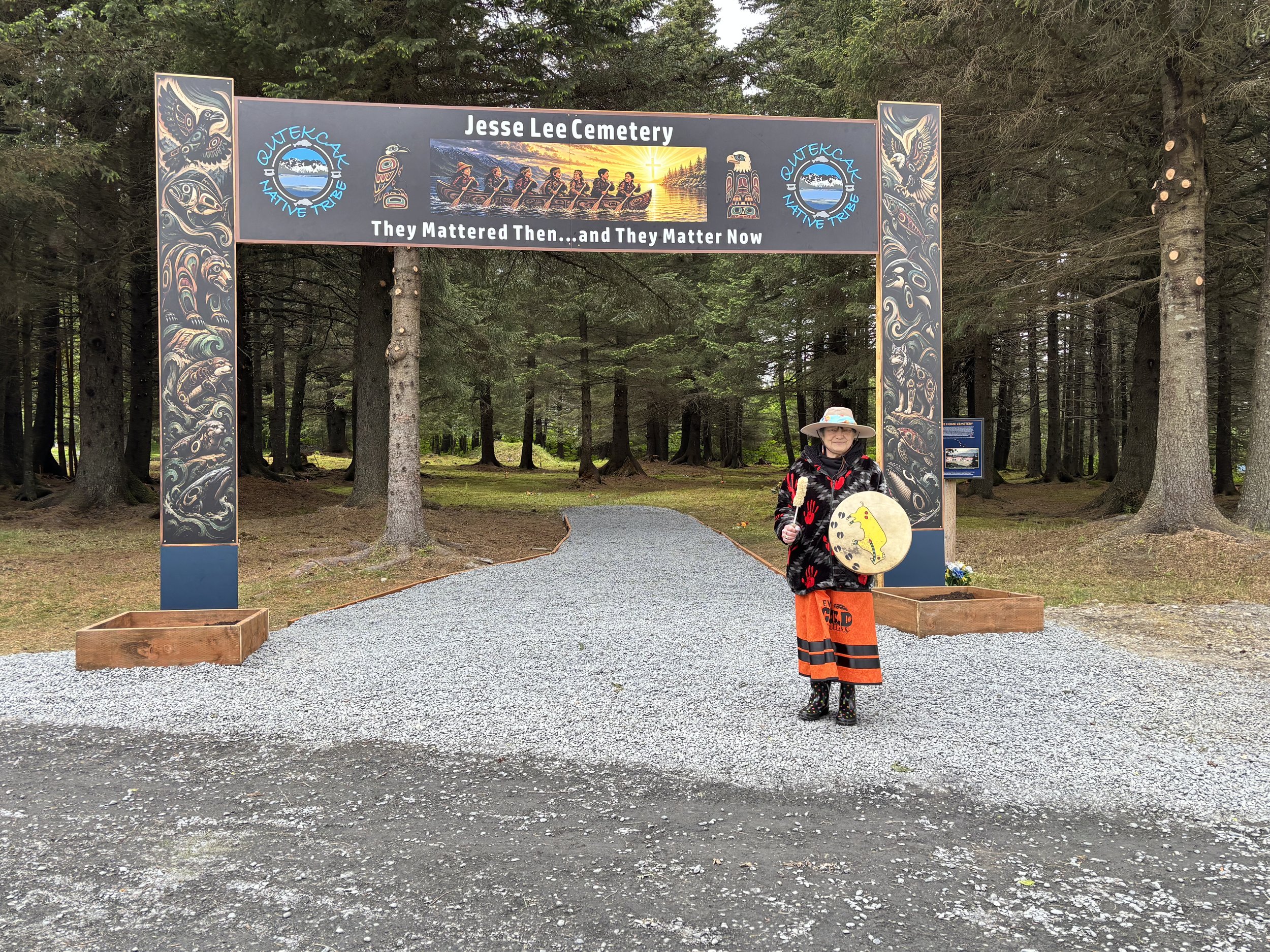
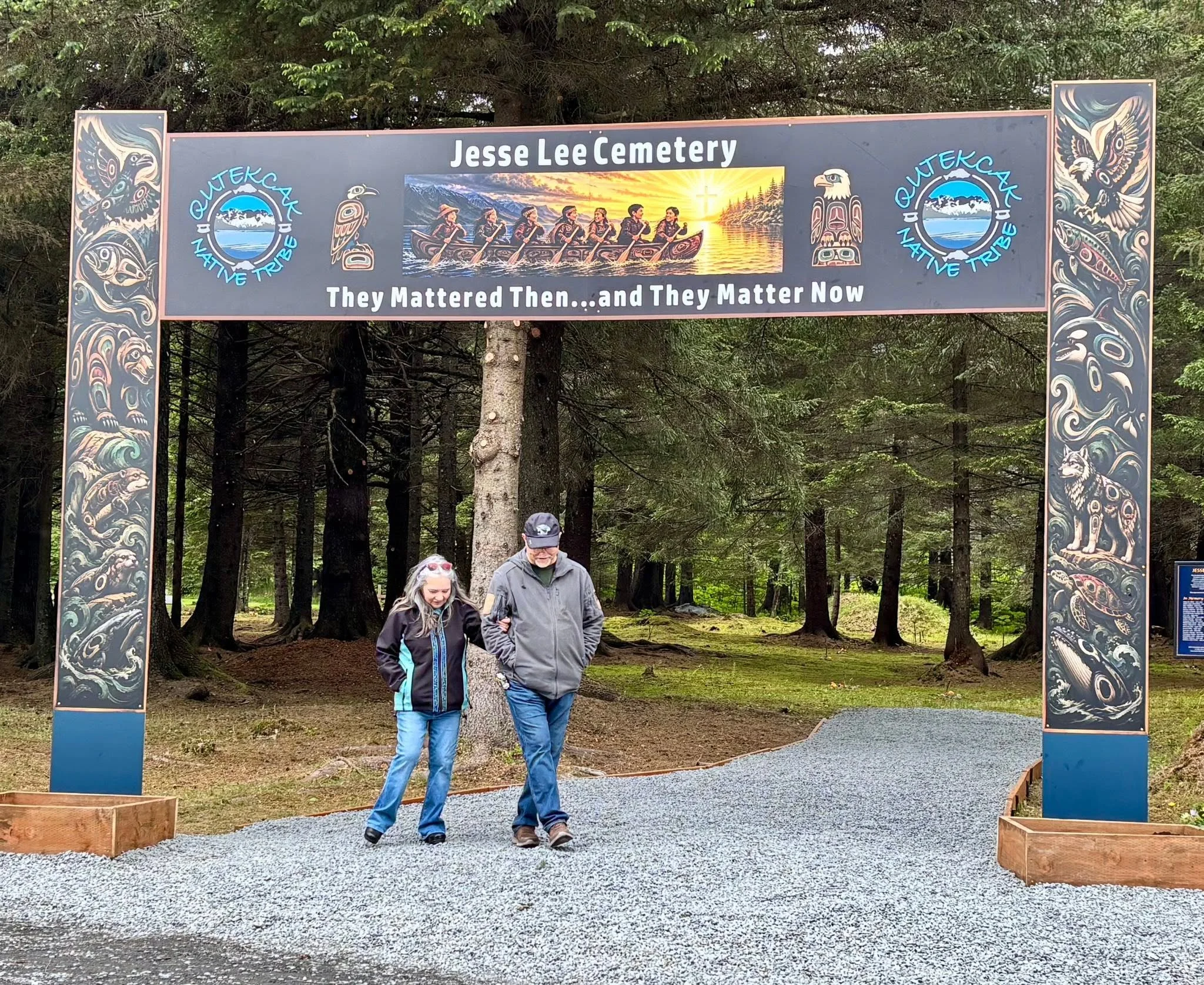
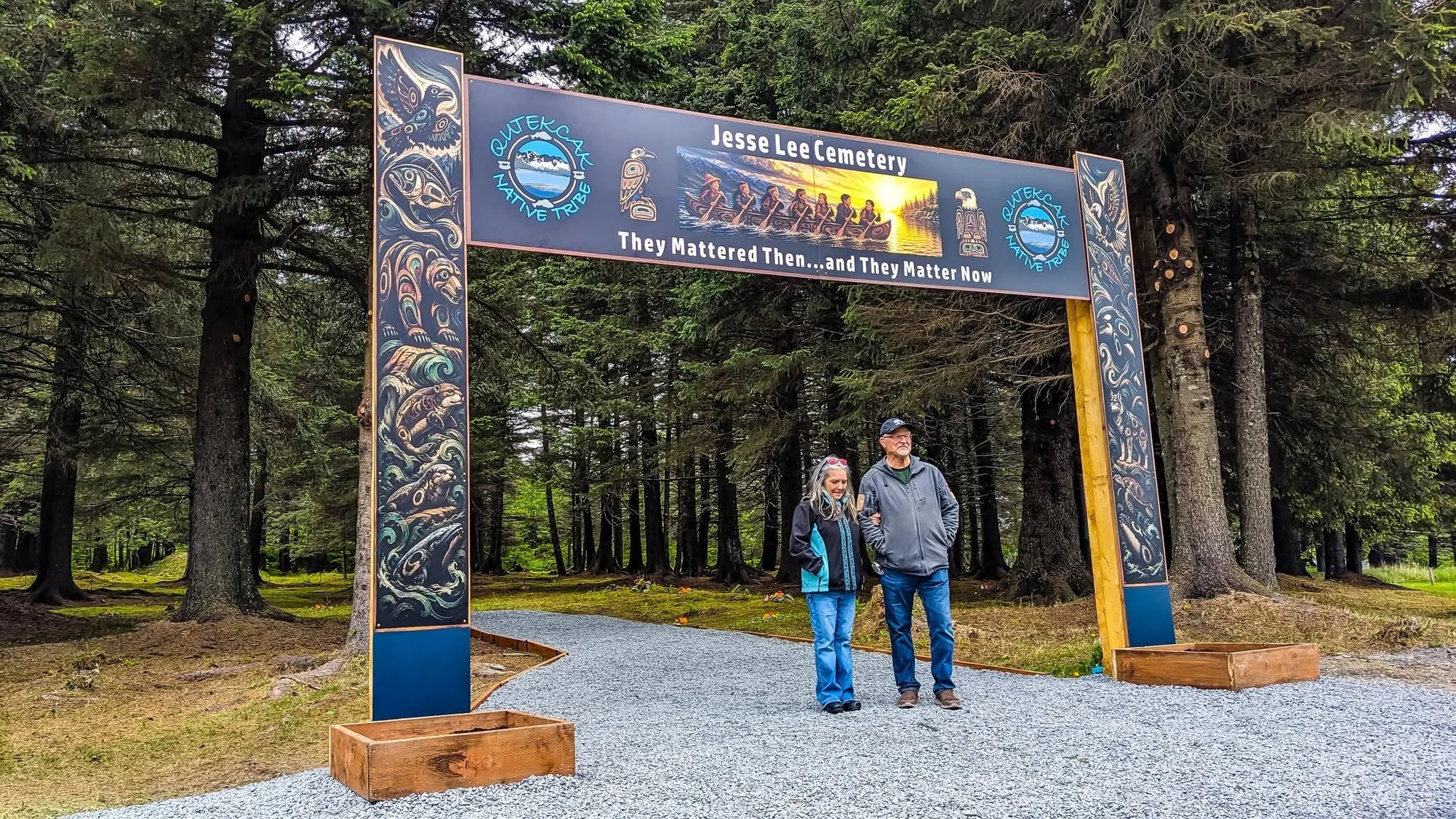
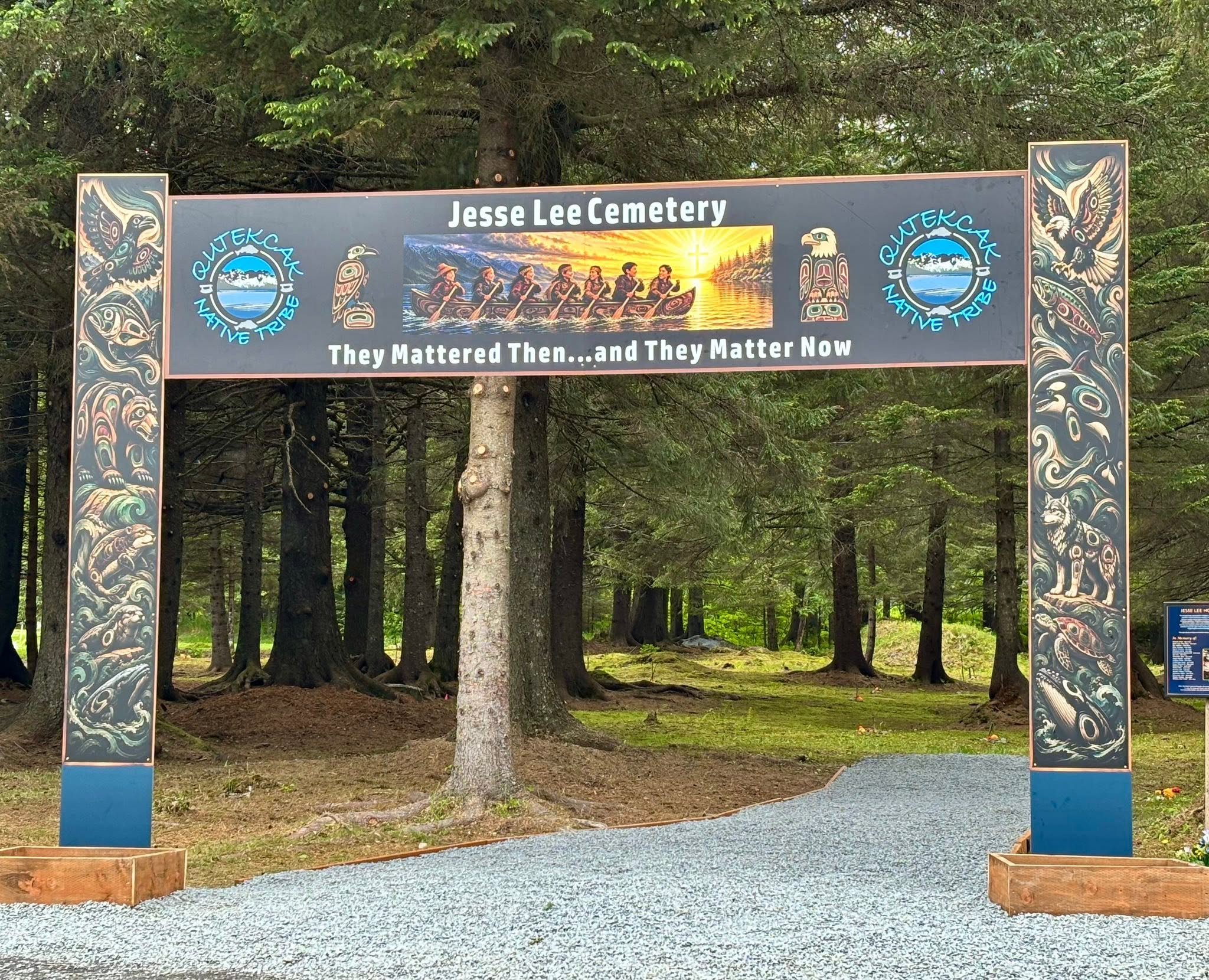
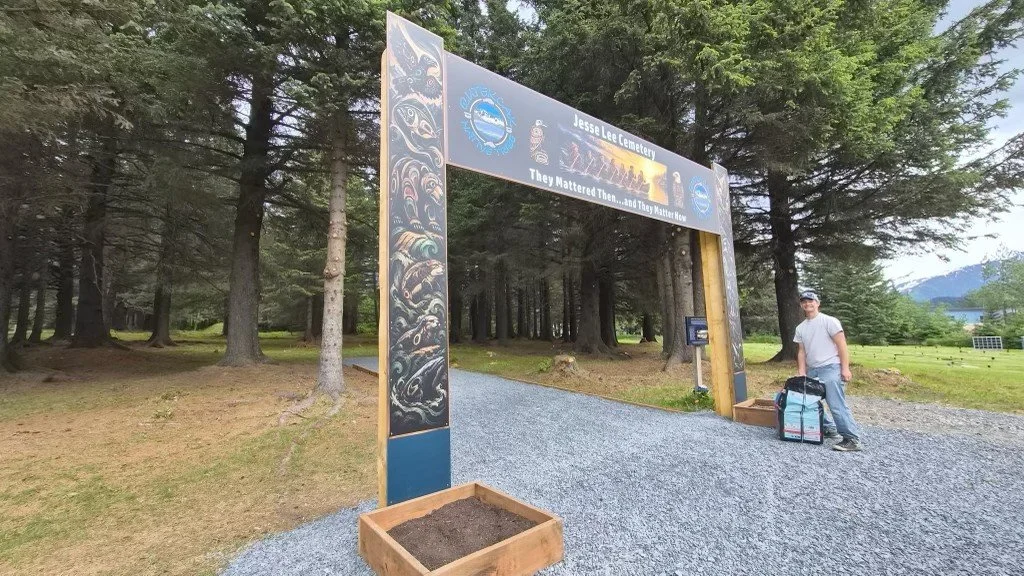
What now stands at the entrance is far more than a gateway. It is a promise.
A promise that the children connected to the Jesse Lee Home will never be forgotten.
A promise that their lives mattered, their stories matter, and their memory will continue to live on for generations to come.
For many years, this sacred place quietly held stories that deserved to be seen, acknowledged, and remembered. Families, descendants, Elders, and community members carried those memories in their hearts. Today, those stories are welcomed by a memorial that reflects the dignity, respect, and love these children have always deserved.
The words displayed across the entrance say it best:
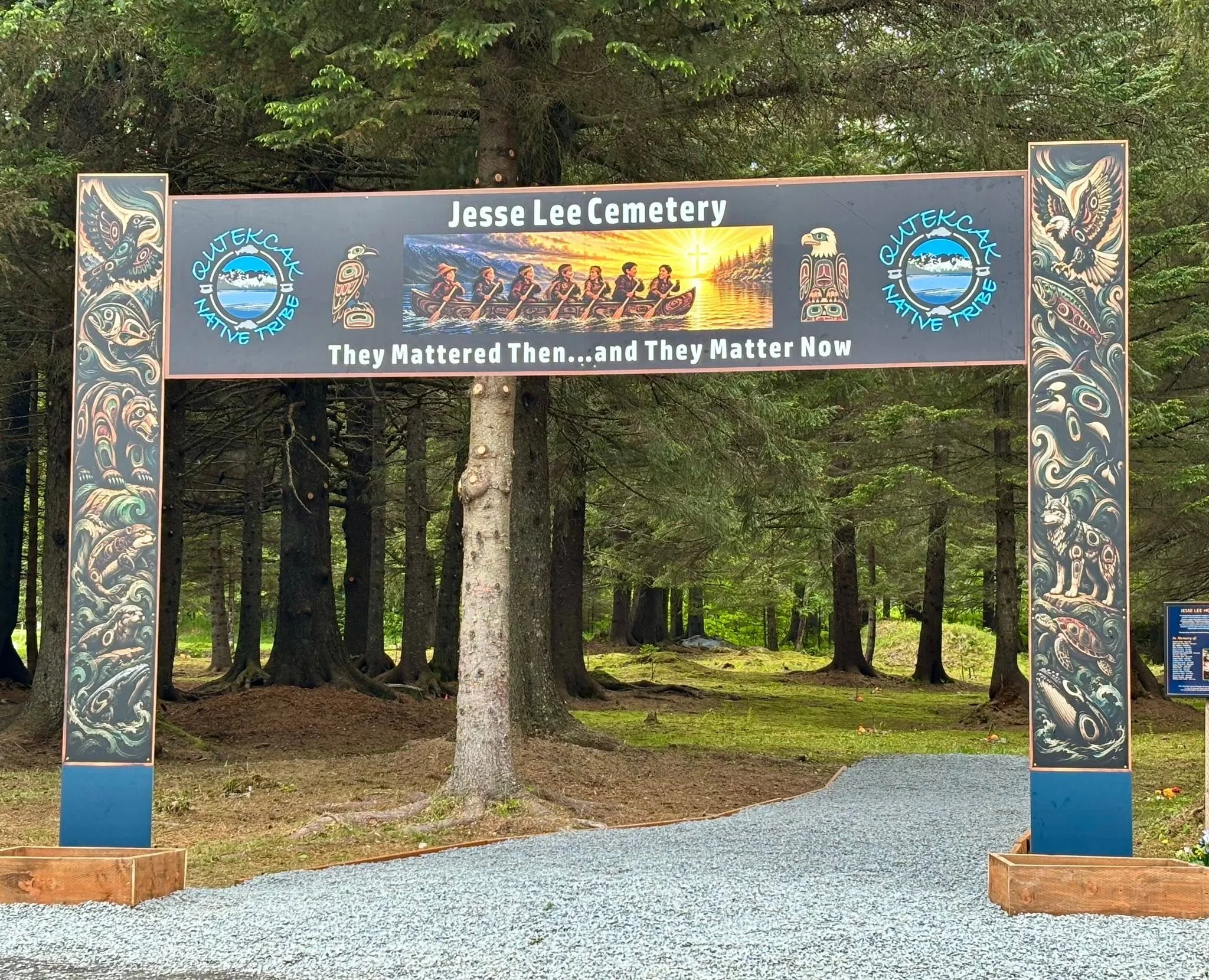
"They Mattered Then... They Matter Now."
Those words are more than a statement—they are a commitment.
A commitment to truth.
A commitment to remembrance.
A commitment to ensuring that history is never forgotten.
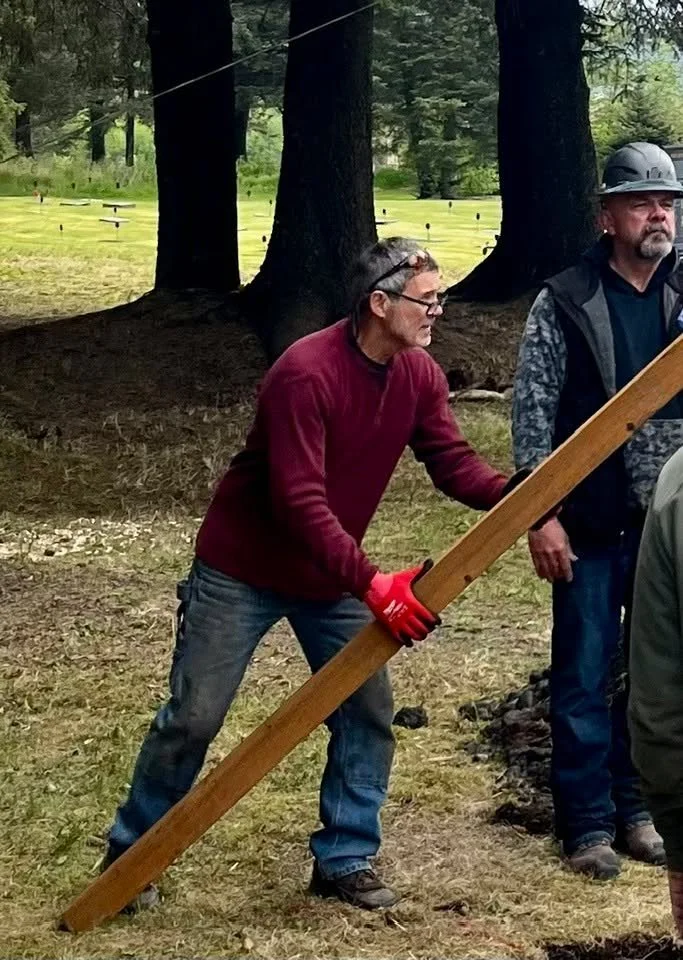
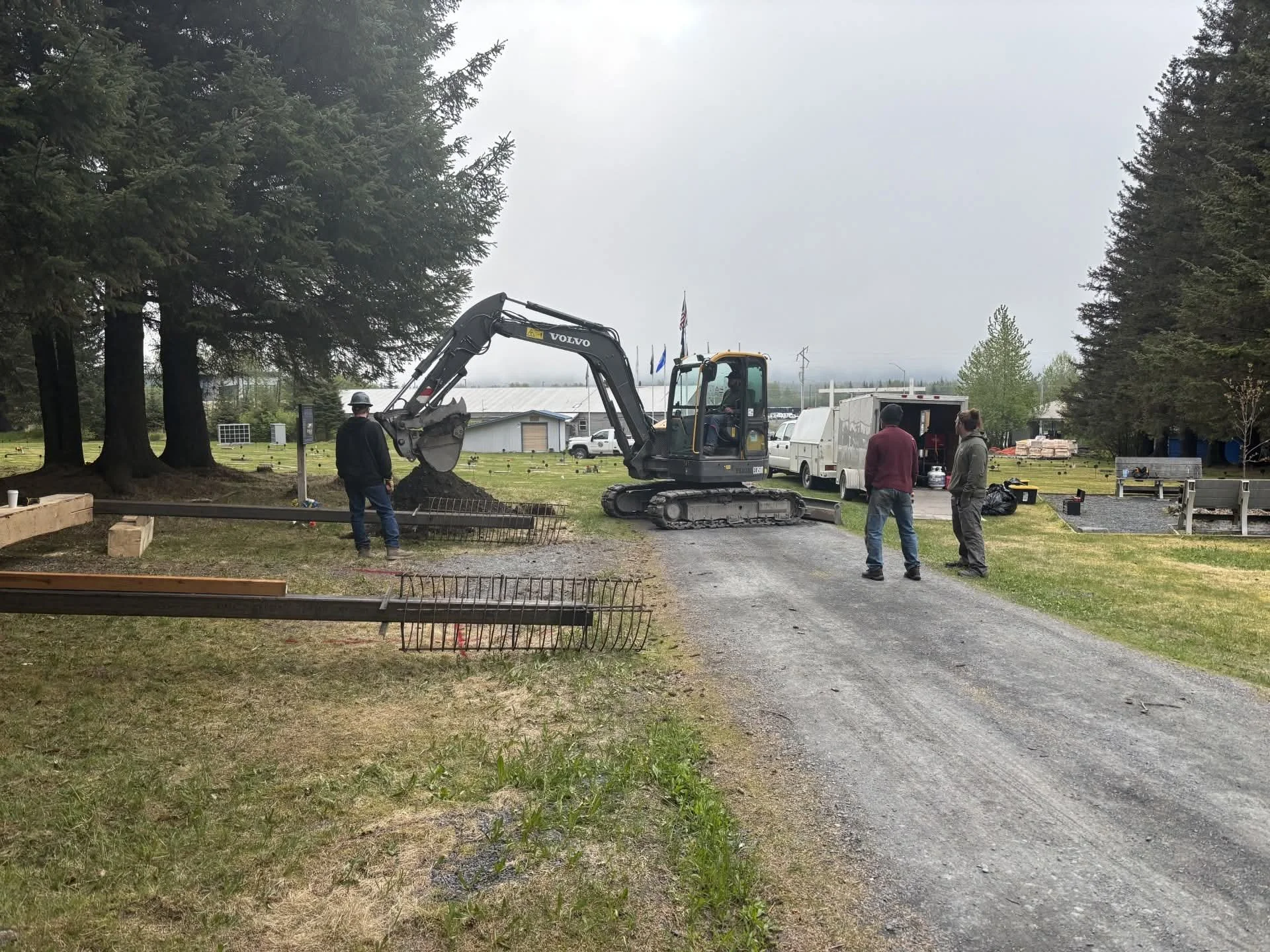
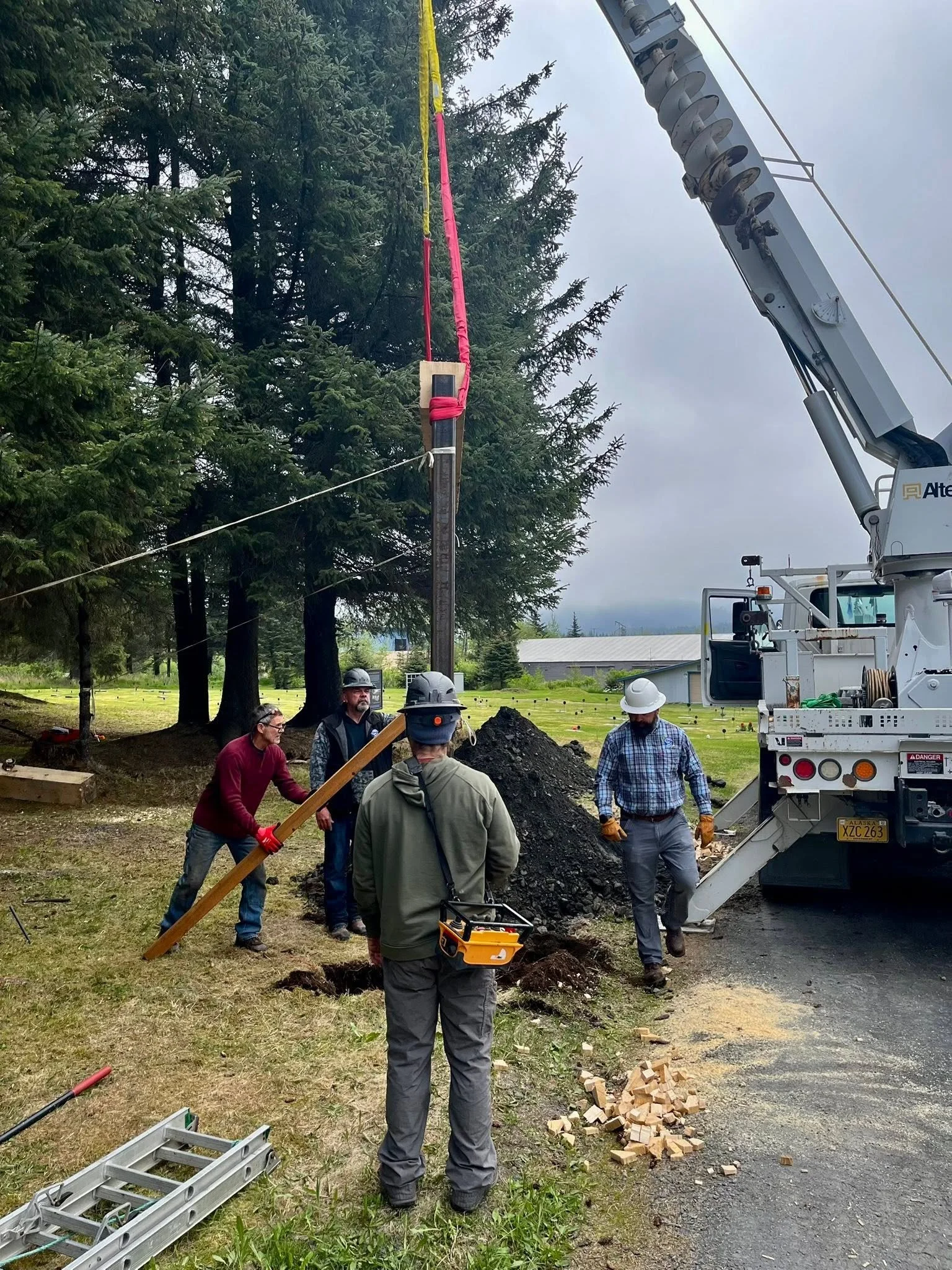
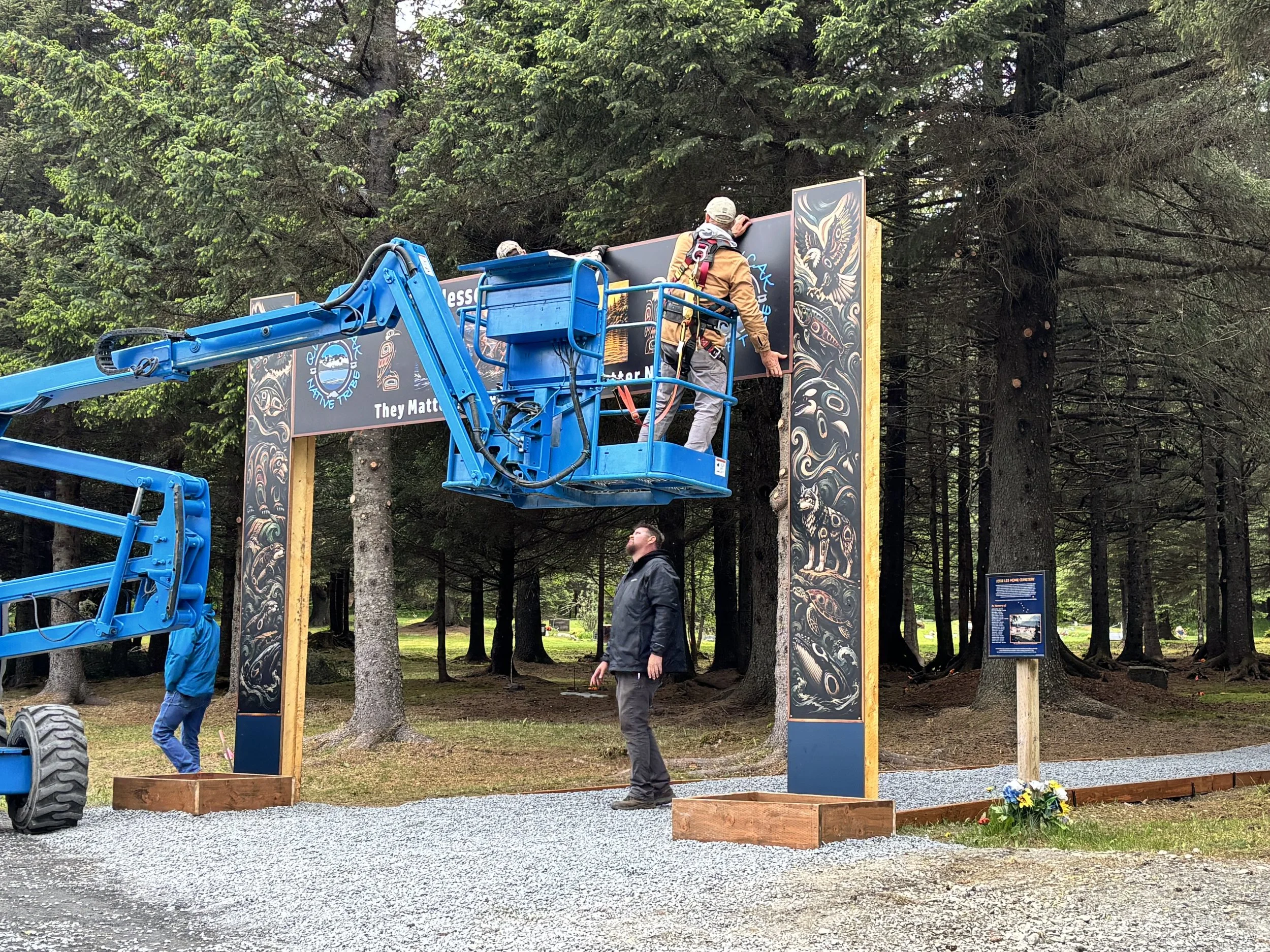
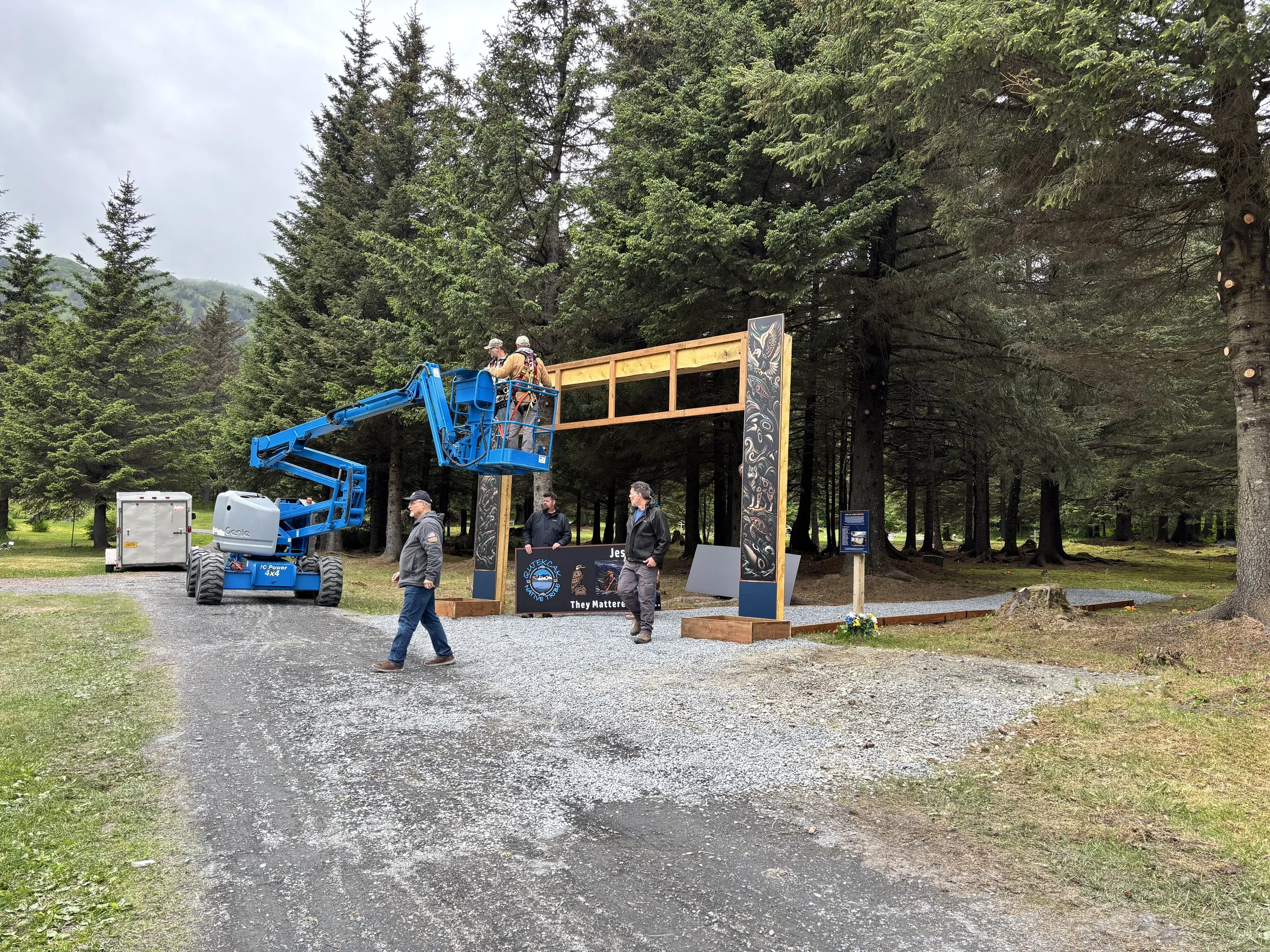
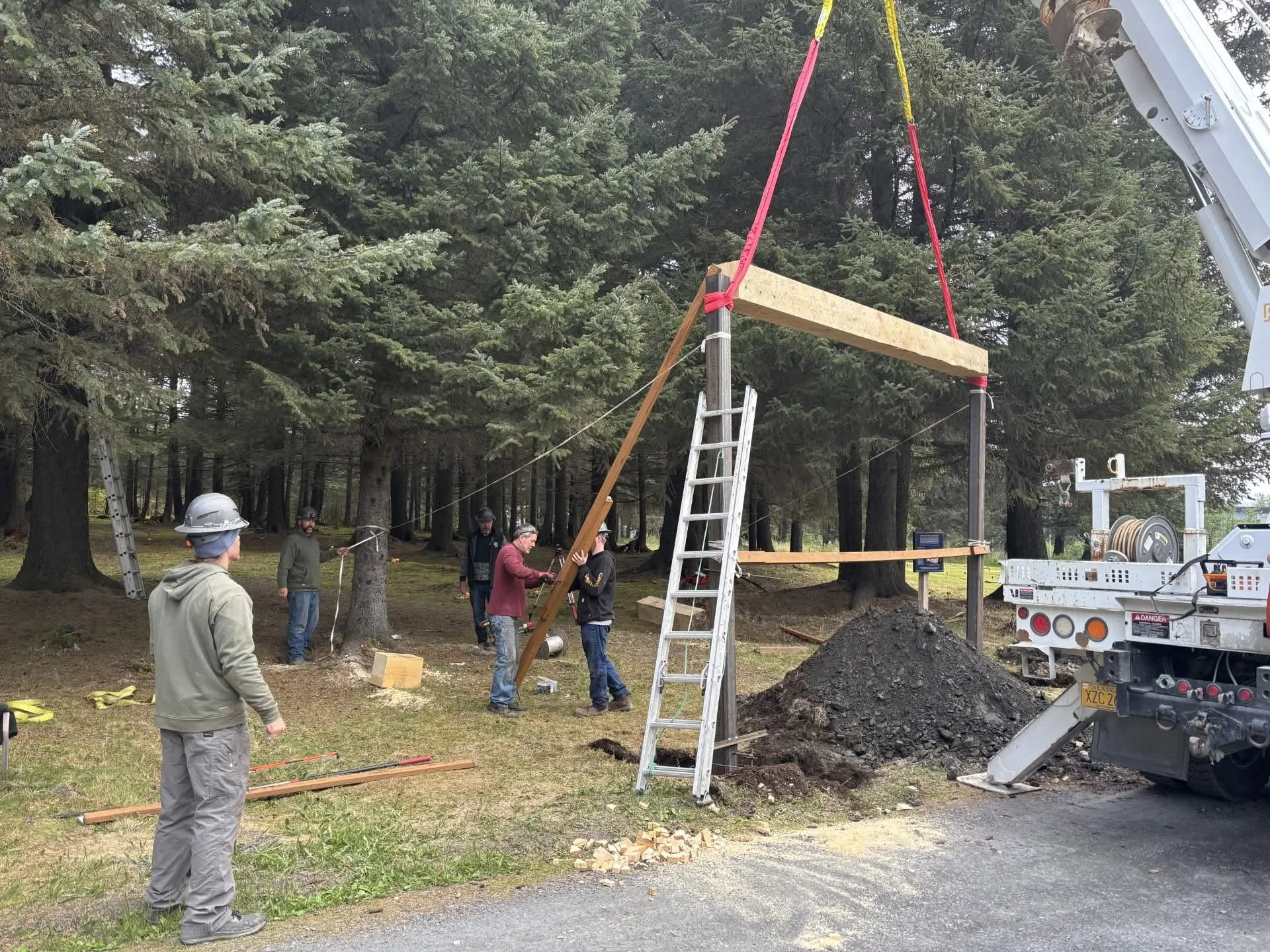
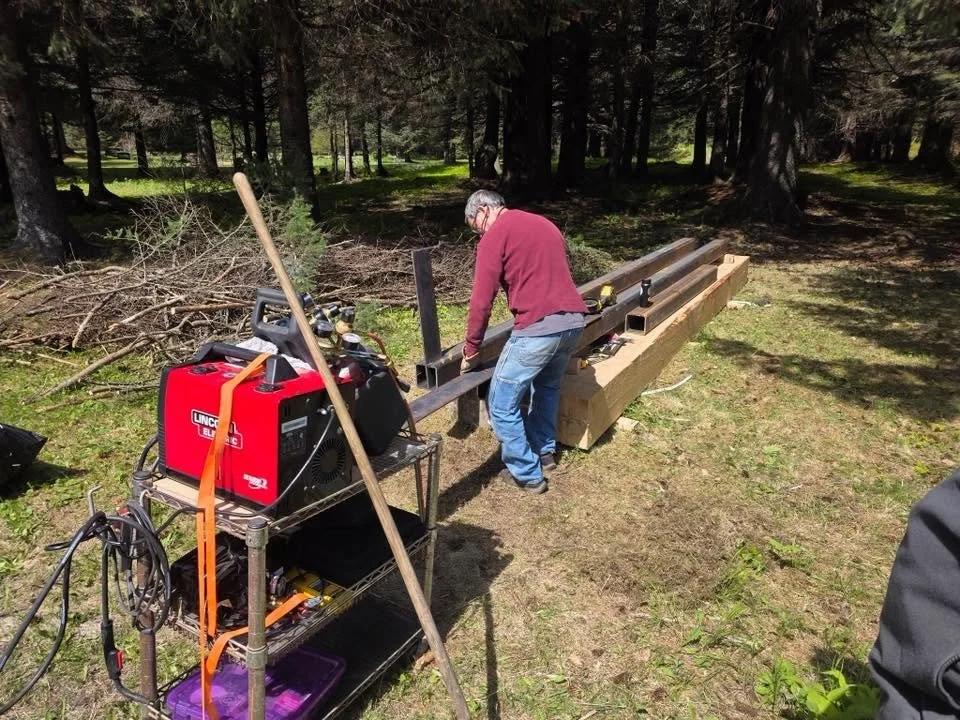
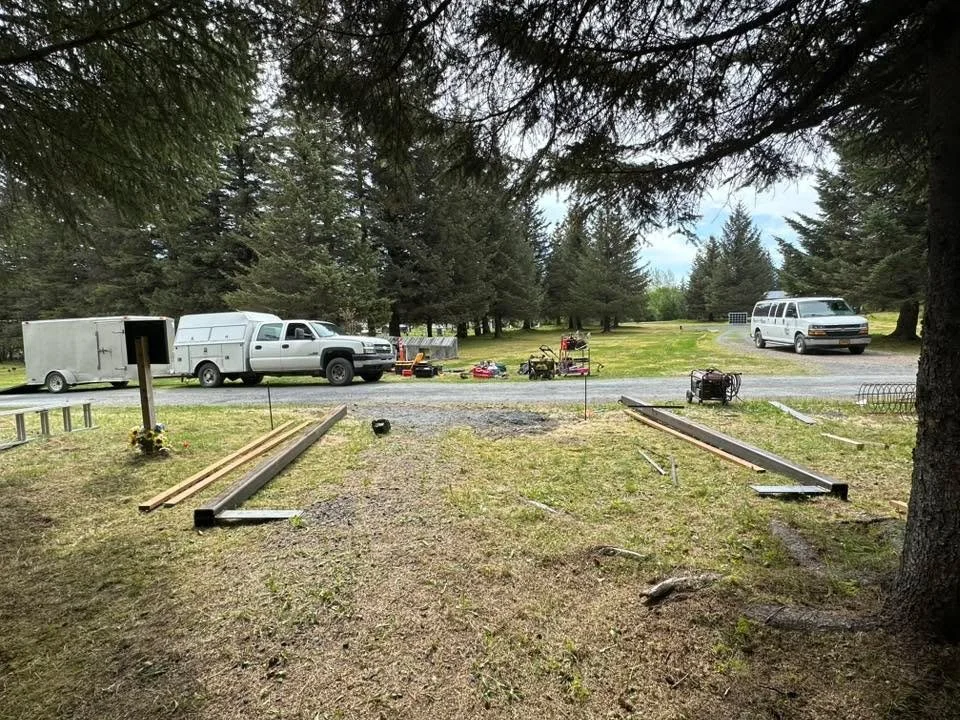
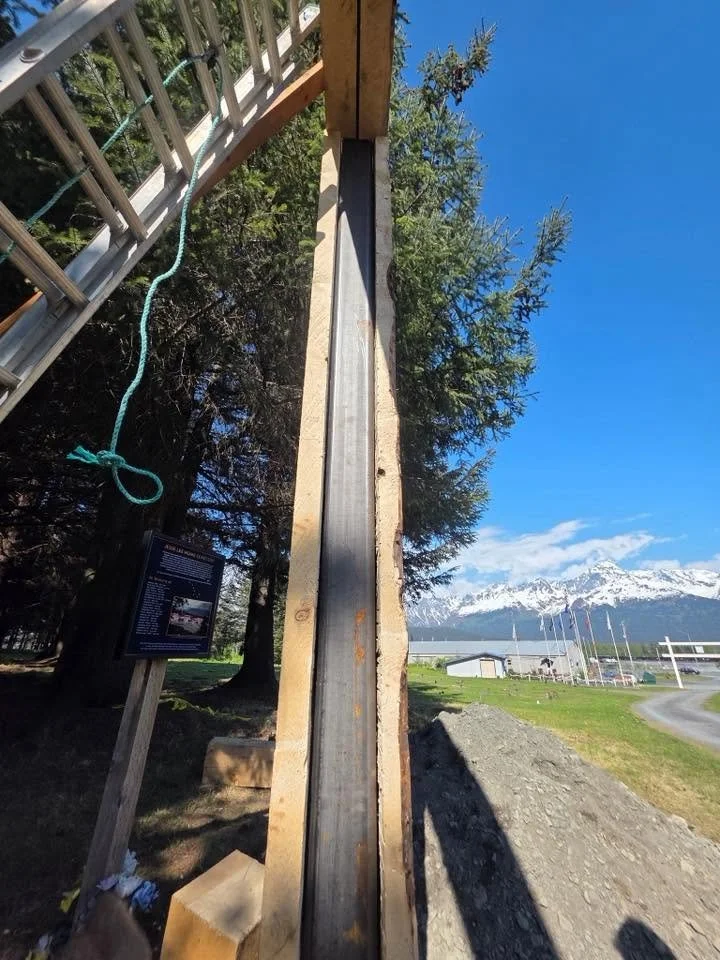
This project represents countless hours of planning, fundraising, design, volunteer labor, and community partnership. Every board that was lifted, every post that was set, every beam that was raised, every flower that was planted, and every act of generosity became part of something much larger than a construction project.
It became a legacy.
The Jesse Lee Cemetery is more than a historic site.
It is sacred ground.
It is a place where families can remember.
It is a place where descendants can reconnect.
It is a place where visitors can learn.
It is a place where healing can begin.
And it is a place where future generations will understand that every child deserves to be remembered with dignity, compassion, and respect.
This achievement would not have been possible without the incredible partnership of North of Hope, the City of Seward, City Manager Janette Bower, the Seward City Council, the Seward Electric Department, the Rasmuson Foundation, PND Engineers, Marie Gage, Seward Folly, SakTown News, our volunteers, donors, Tribal citizens, Elders, descendants, and every community member who believed in this vision. This memorial belongs to all of us because it was built by a community united in remembrance.
While we celebrate this milestone, our journey is far from over.
Our next chapter will bring traditional Alaska Native totem poles to the memorial entrance, further honoring the children connected to the Jesse Lee Home while celebrating the strength, resilience, and culture of Alaska Native people. Together, we will continue preserving this sacred place and sharing its story for generations to come.
Yesterday, we completed a memorial entrance.
More importantly, we created a place where remembrance will continue long after we are gone.
A place where history is honored.
A place where healing can continue.
A place where love will always be stronger than forgetting.
❤️ They Mattered Then. They Matter Now. They Will Always Matter.
Community Announcement
The Jesse Lee Cemetery Memorial Project Reaches a Historic Milestone
The Qutekcak Native Tribe is proud to share that a significant chapter in the Jesse Lee Cemetery Memorial Project has been completed.
The memorial entrance now stands at the gateway of the Jesse Lee Cemetery, welcoming all who enter with a simple but powerful reminder:
"They Mattered Then... They Matter Now."
This project began with a vision to create more than a memorial. It was about restoring dignity to a sacred place, acknowledging a difficult chapter of Alaska's history, and ensuring that the children connected to the Jesse Lee Home are remembered—not only today, but for generations yet to come.
For decades, the Jesse Lee Cemetery quietly held stories known primarily by descendants, families, Elders, and members of our community. While those memories were never lost, this place deserved a visible expression of the love, respect, and remembrance carried by so many.
Today, that vision has become reality.
The memorial entrance now welcomes every visitor with artwork inspired by Alaska Native culture and a message that invites reflection, learning, and remembrance. It stands as a reminder that history should never be hidden, and that every child deserves to be remembered with dignity.
This memorial belongs not only to the Tribe, but to everyone who believed this story deserved to be told.
The Qutekcak Native Tribe extends our heartfelt appreciation to the many people and organizations whose generosity, dedication, and partnership made this possible.
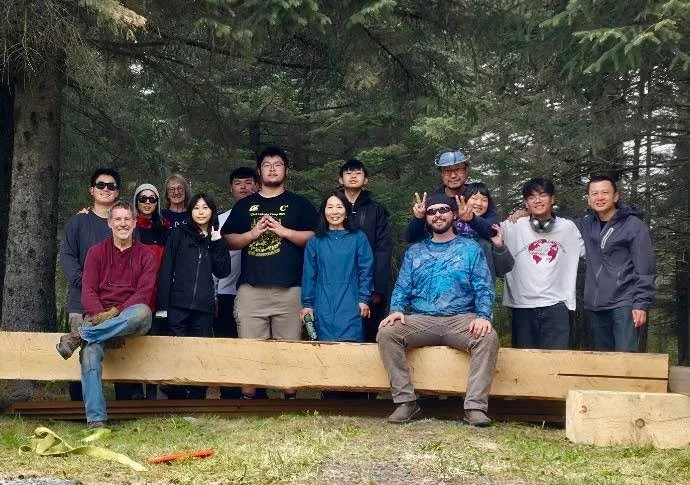
To North of Hope, thank you for bringing your hearts, hands, equipment, and servant spirit to Seward. You didn't simply volunteer—you became part of our community. Your work helped transform an idea into a place that will bring healing and remembrance for generations.
To the City of Seward, City Manager Janette Bower, the Seward City Council, and the Seward Electric Department, thank you for your partnership and collaboration. Your support—including the land exchange that made this entrance possible and your assistance during installation—demonstrates what can happen when communities work together with a shared purpose.
To the Rasmuson Foundation, thank you for believing in this vision from the beginning. Your investment made it possible to move from planning to reality and helped preserve an important part of Alaska's history for future generations.
To PND Engineers, thank you for your outstanding design work and generous support. Your expertise helped create a memorial entrance that is both meaningful and enduring.
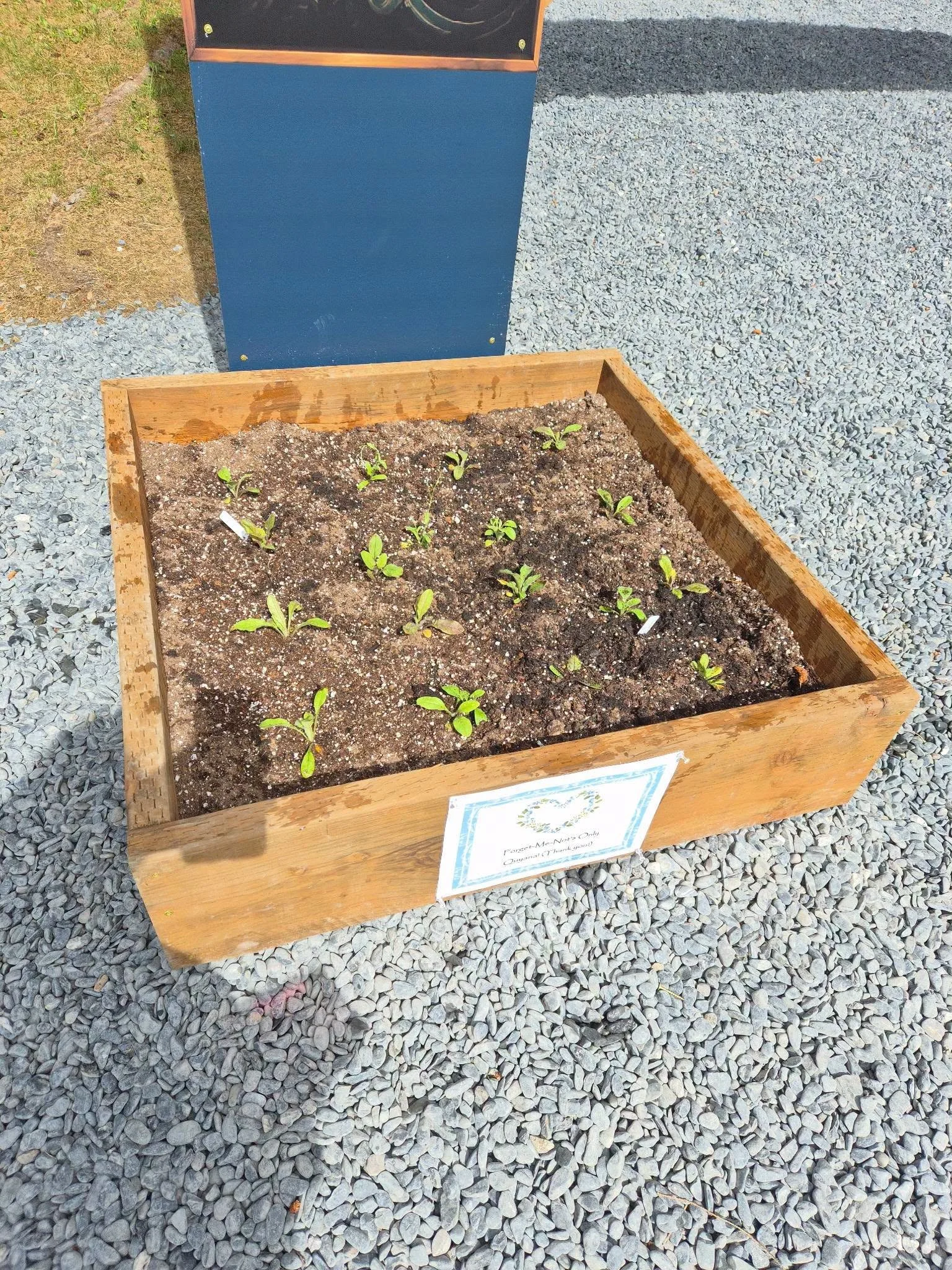
To Marie Gage, thank you for donating the beautiful Forget-Me-Not flowers that now surround this memorial. As Alaska's state flower, they are a beautiful reminder that remembrance continues long after the dedication ceremony ends. Each bloom will quietly remind visitors that these children are loved, remembered, and will never be forgotten.
To SakTown News and The Seward Folly, thank you for sharing this story with the community. Your commitment to telling this history ensures that more people understand the significance of the Jesse Lee Cemetery and why preserving places like this matters.
And to every volunteer, donor, Tribal citizen, Elder, descendant, contractor, community partner, supporter, and friend—thank you. Whether you donated materials, volunteered your time, offered encouragement, shared your knowledge, or simply believed in this project, you helped build something that will outlive all of us.
The completion of this memorial entrance is not the end of our work.
It is the beginning of a new chapter.
The Qutekcak Native Tribe is now moving forward with the next stage of the memorial, which will include the carving and installation of traditional Alaska Native totem poles. These totem poles will further honor the children connected to the Jesse Lee Home while celebrating the rich culture, resilience, and traditions of Alaska Native people.
As we continue this journey, we remain committed to preserving this sacred place, educating future generations, and ensuring that these stories are never forgotten.
Every person who walks beneath this memorial entrance will be reminded that remembrance is an act of love.
That healing begins with acknowledging history.
And that honoring those who came before us helps shape a stronger future for those who come after us.
They mattered then.
They matter now.
They will always matter.
Quyana to everyone who has walked beside the Qutekcak Native Tribe on this journey. Together, we have created more than a memorial—we have created a place where history, healing, culture, and community will continue to meet for generations to come.
Community Appreciation
Honoring the Partnership and Legacy of North of Hope
The Qutekcak Native Tribe extends our deepest gratitude and heartfelt appreciation to North of Hope for your extraordinary partnership, unwavering dedication, and years of faithful service to the Jesse Lee Cemetery and to the children whose memories now rest in this sacred place.
There are people who come to help for a day.
There are people who contribute to a project.
And then there are people who become part of its story.
North of Hope became part of ours.
Long before a memorial archway stood at the entrance...
Long before engineering plans were completed...
Long before funding was secured...
Long before anyone could envision what the cemetery would one day become...
You were already here.
You saw a place hidden beneath decades of overgrowth.
You saw pathways that had disappeared.
You saw grave markers buried beneath brush and earth.
You saw a cemetery that had quietly waited for someone to care enough to restore it.
And you cared.
Year after year, you answered the call.
You traveled to Seward.
You brought your volunteers.
You brought equipment.
You brought chainsaws, trailers, trucks, tools, and willing hands.
But more importantly...
You brought your hearts.
For years, you stood beside our Tribe, helping restore dignity to this sacred ground.
Together, you cleared decades of thick brush, invasive vegetation, fallen limbs, and debris that had hidden the cemetery from view. You removed 27 trailer loads of brush and overgrowth and 12 trailer loads of rotten stumps and debris, reopening pathways and revealing ground that had not been seen in years.
What many people see today is a beautiful memorial entrance.
What they don't see are the countless Saturdays...
The early mornings...
The long days...
The sore muscles...
The truckloads hauled away...
The endless raking...
The mowing...
The stump removal...
The cleanup after cleanup...
The quiet determination to come back again the following year and continue the work.
Because this wasn't a one-time volunteer project.
It became a commitment.
You understood that honoring these children didn't begin with building a memorial.
It began with caring for the place where they rest.
As restoration continued, you helped uncover grave markers that had disappeared beneath decades of growth. You assisted with locating forgotten burial areas, using metal detectors and careful restoration techniques to help reveal pieces of history that had long been hidden. Together, we slowly brought dignity back to this sacred place.
Every branch removed...
Every trail reopened...
Every grave marker uncovered...
Every hour volunteered...
Was another act of remembrance.
Another act of healing.
Another act of love.
Then came the vision of the memorial.
And once again...
North of Hope answered the call.
You didn't simply arrive to build an archway.
You came to finish what years of restoration had made possible.
You brought your construction expertise.
You brought heavy equipment.
You brought professional craftsmanship.
You brought problem-solvers, leaders, servants, and friends.
Together, we raised more than a memorial entrance.
We created a place where families can remember.
A place where descendants can reconnect with loved ones.
A place where Tribal citizens can honor their history.
A place where visitors from around the world can learn.
A place where healing can continue for generations.
The words that now welcome every visitor—
"They Mattered Then... They Matter Now."
—carry even greater meaning because they were placed there by people who believed those words long before they were ever carved into a memorial.
Every visitor who walks beneath that archway will experience your kindness.
Most will never know your names.
They won't know who cleared the brush.
Who hauled away the debris.
Who uncovered forgotten grave markers.
Who returned year after year when no cameras were present.
Who quietly served without asking for recognition.
But they will experience your legacy every single day.
Because your work made this possible.
North of Hope reminded us that true service is not measured by applause.
It is measured by the lives it touches.
It is measured by the hope it restores.
It is measured by the history it preserves.
It is measured by the generations it impacts.
This project has always been about more than restoring a cemetery.
It has been about restoring dignity.
Restoring memory.
Restoring connection.
Restoring hope.
And throughout every stage of that journey...
North of Hope walked beside us.
Not in front of us.
Not behind us.
Beside us.
As partners.
As friends.
As family.
On behalf of the Qutekcak Tribal Council, our staff, our Elders, descendants, families connected to the Jesse Lee Home, and every member of our community...
Thank you.
Thank you for believing in this vision before it became reality.
Thank you for giving your time when no one was watching.
Thank you for the years you spent caring for this sacred ground.
Thank you for every trailer load hauled away.
Thank you for every tree cleared.
Thank you for every grave marker uncovered.
Thank you for every conversation.
Thank you for every prayer.
Thank you for every meal shared.
Thank you for every act of kindness that reminded us we were not walking this journey alone.
Most of all...
Thank you for believing that these children deserved to be remembered.
Because of your years of dedication, the Jesse Lee Cemetery has been transformed from a place hidden by time into a place of remembrance that will stand for generations.
Your hands helped restore the land.
Your hearts helped restore hope.
And your legacy will forever be part of the story of the Jesse Lee Cemetery.
From this day forward, every child who visits...
Every family who returns...
Every descendant searching for connection...
Every person who pauses beneath this memorial entrance...
Will benefit from the love you poured into this place.
That is a legacy few people are ever blessed to leave.
Together, we honored the past.
Together, we restored sacred ground.
Together, we preserved history.
Together, we created a place where healing can continue.
Together, we built more than a memorial.
Together, we built a promise.
A promise that these children...
Their lives...
Their stories...
And their memory...
Will never be forgotten.
Quyana.
From the bottom of our hearts, thank you for walking this journey with the Qutekcak Native Tribe. Your compassion, humility, service, and friendship have become part of this sacred place, and your legacy will continue to touch lives long after all of us are gone. ❤️
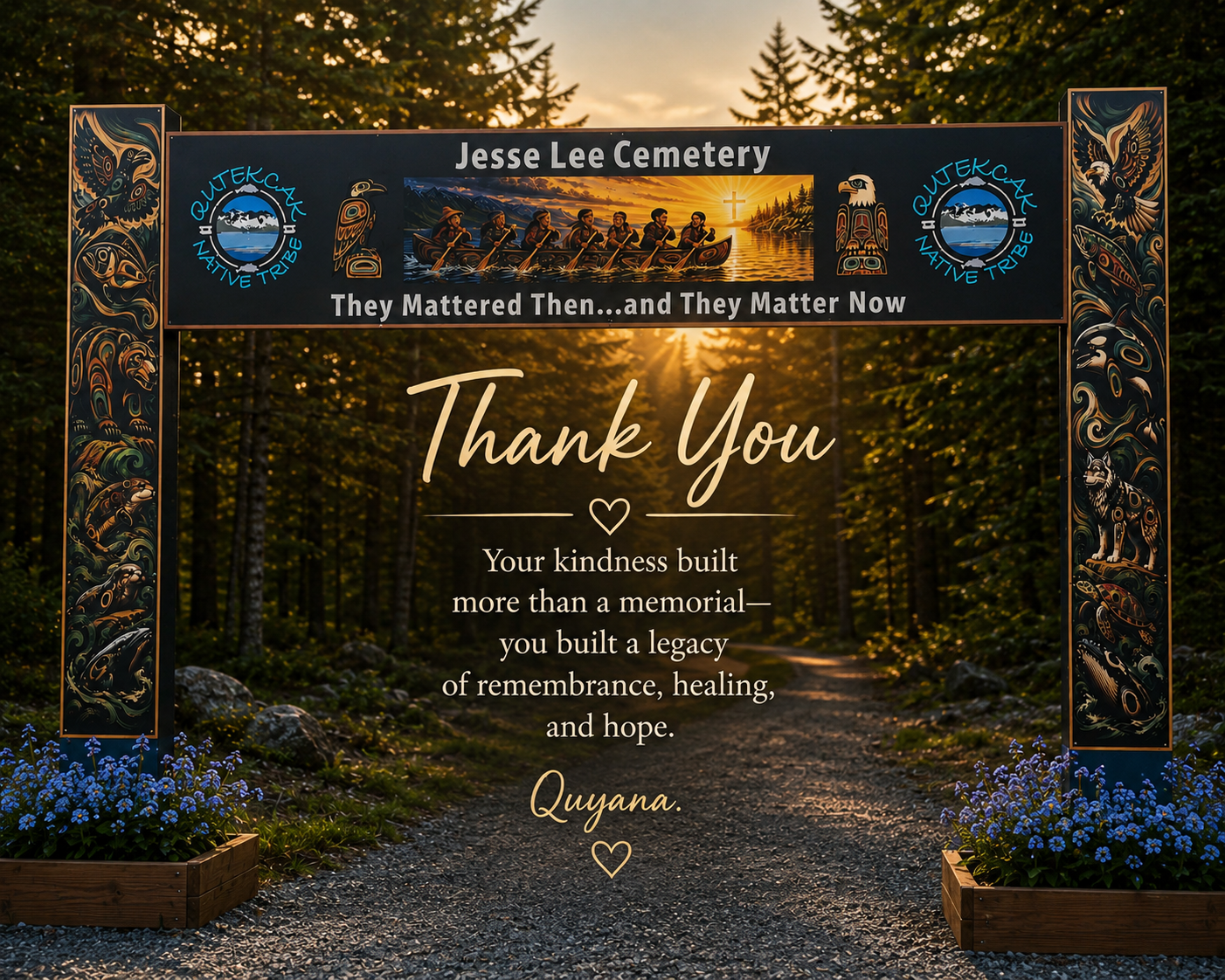
Help Us Complete Phase 2
The journey isn't over.
What now stands at the entrance to the Jesse Lee Cemetery is a powerful symbol of remembrance, healing, and hope—but the vision is not yet complete.
The Qutekcak Native Tribe is now beginning Phase 2 of the Jesse Lee Cemetery Memorial Project: the carving and installation of traditional Alaska Native totem poles that will complete this sacred place of remembrance.
These totem poles will do more than frame an entrance. They will tell a story.
A story of children whose lives deserve to be remembered.
A story of resilience in the face of hardship.
A story of Alaska Native culture, strength, and enduring traditions.
A story of healing, hope, and the promise that history will never be forgotten.
Every contribution helps transform this vision into a lasting legacy. Your support will help preserve an important part of Alaska's history while creating a place where families, descendants, Tribal citizens, students, and visitors can gather to reflect, learn, and honor those who came before us.
This memorial is not simply being built for today.
It is being built for every generation that follows.
For every child who asks, "Who were they?"
For every family searching for connection.
For every descendant seeking a place to remember.
For every visitor seeking understanding.
For every person who believes that remembrance matters.
Together, we can complete a memorial that will stand as a beacon of dignity, education, healing, and hope for generations to come.
Become part of this journey.
Help us complete this sacred place.
Help us preserve these stories.
Help us ensure that every child connected to the Jesse Lee Home is honored—not just today, but forever.
They Mattered Then. They Matter Now. They Will Always Matter.
Quyana for standing with the Qutekcak Native Tribe and helping preserve this sacred place for generations to come. ❤️
Honoring Stewardship:
Qutekcak Native Tribe Recognized with Planet Blue Partner Award
FOR IMMEDIATE RELEASE
Qutekcak Native Tribe Receives Planet Blue Partner Award from the Alaska SeaLife Center
Seward, Alaska — The Qutekcak Native Tribe is proud and deeply honored to be named the recipient of the Planet Blue Partner Award by the Alaska SeaLife Center. This distinguished recognition highlights not only the Tribe’s dedication to cultural preservation and environmental stewardship, but also the power of collaboration built through strong partnerships and shared values.
Honoring Shared Stewardship
The Planet Blue Partner Award is more than a symbol of achievement—it represents the respect, trust, and shared responsibility that have developed between the Qutekcak Native Tribe and the Alaska SeaLife Center. Together, the Tribe and the Center have worked to advance a common vision: protecting Alaska’s waters and wildlife, supporting education and research, and honoring the traditional knowledge that has sustained Alaska Native people and the environment for generations.
Recognizing Carol and Garry Hull
The Qutekcak Native Tribe extends its deepest gratitude to Carol Pickett Hull and Garry Hull, whose vision, leadership, and tireless dedication made this recognition possible. Their guidance and efforts have been instrumental in strengthening the connection between the Qutekcak Native Tribe and the Alaska SeaLife Center. This honor stands as a testament to their commitment to community, education, and environmental care.
Commitment to Alaska’s Future
The Qutekcak Native Tribe accepts the Planet Blue Partner Award on behalf of its members, its partners, and all who share in the responsibility of protecting Alaska’s unique ecosystems. This recognition reinforces the Tribe’s shared belief that collaboration, respect, and stewardship are the foundation for a healthier future—for both people and the planet.
